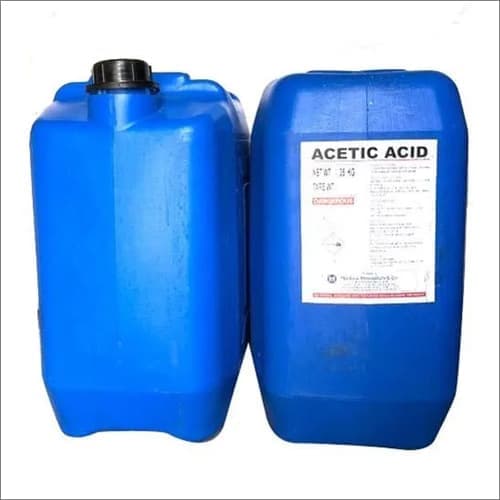
CAS 64-19-7
Acetic Acid
CAS 64-19-7C2H4O260.05 g/mol
Acetic acid is a vital industrial chemical primarily used in the production of vinyl acetate monomer (VAM), essential for adhesives and coatings. This colorless, pungent liquid is a key intermediate in various sectors including textiles, pharmaceuticals, and food processing. With a high purity of ≥99.7%, it’s suitable for sensitive applications requiring consistency and quality.
Main applicationVinyl acetate monomer (VAM) production — Key role in adhesives and coatings Acetic anhydride production — Used in cellulose acetate fibers Ester production — Solvents for inks, paints, and coatings Solvent and reagent for PET — TPA production Chemical intermediates — Chloroacetic acid, metal acetates Oil and gas — Well acidizing, corrosion control Pharmaceuticals — Raw material for antibiotics and vitamins Textile and dyeing — pH adjuster for acid dyes Food industry — Acidulant and food additive
Acetic acid is crucial for sectors ranging from textiles to pharmaceuticals, given its role as a versatile chemical intermediate. Its high purity and adaptability make it invaluable for producing essential compounds like VAM and acetic anhydride. This underpins the manufacturing of numerous everyday products, supporting industries with consistent performance and reliable supply.
Also known as
- Ethanoic acid
- Glacial acetic acid
- Vinegar acid
Trade pricing
Quoted per enquiry
Pricing depends on volume, grade and delivery point. Our desk responds within two working hours.
Available packaging
- Typically available in drums or totes.
Documentation
Batch-specific COA issued with every consignment.
Technical specifications
- CAS number
- 64-19-7
- Chemical formula
- C2H4O2
- Molecular weight
- 60.05 g/mol
- Grade
- Technical grade
- Purity
- 99.7%
- Appearance
- Colorless liquid
- Density
- 1.049 g/mL
- Concentration
- ≥99.7% %
- Refractive index
- 1.366-1.377
- Heavy metals
- <10 mg/kg mg/kg
- Density
- 1.049 g/mL
Acetic Acid, with the molecular formula C2H4O2 and a molecular weight of approximately 60.05-60.1 g/mol, is a colorless liquid known for its potent, vinegar-like odor. The glacial form is renowned for its purity, typically ≥99.7%, making it ideal for high-precision industrial processes. Refractive index ranges from 1.366 to 1.377, and density is about 1.049 g/mL. Buyers must consider the specific impurities and heavy metal content, as these can impact the suitability for certain applications. Packaging in totes and drums is common to meet handling and storage requirements.
Delivery
Acetic Acid is dispatched from our Nairobi warehouse across Kenya, and export delivery is arranged to the wider East African market. Lead time depends on quantity and grade and is confirmed with your quotation — see delivery and collection for the towns we reach and how dispatch works.
Applications & uses
- Vinyl acetate monomer (VAM) production — Key role in adhesives and coatings Acetic anhydride production — Used in cellulose acetate fibers Ester production — Solvents for inks, paints, and coatings Solvent and reagent for PET — TPA production Chemical intermediates — Chloroacetic acid, metal acetates Oil and gas — Well acidizing, corrosion control Pharmaceuticals — Raw material for antibiotics and vitamins Textile and dyeing — pH adjuster for acid dyes Food industry — Acidulant and food additive
Industries we supply this to
Why buy this from Sparks
- High purity enables precision in sensitive applications Colorless liquid ensures easy integration in processes Versatile as solvent and reagent for multiple industries Reliable supply chain supports steady industrial demand Comprehensive documentation simplifies compliance Broad industry compatibility increases utility
Quality assurance
- Batches are checked against the specification values listed above before dispatch.
State what your process, auditor or customs clearance requires when you request a quotation, and it is confirmed with the quote.
Safety, handling & storage
Always consult the full Safety Data Sheet before handling. Personnel must use appropriate PPE and follow local regulations for storage, transport and disposal.
Frequently asked questions
What is the CAS number of Acetic Acid?
The CAS registry number for Acetic Acid is 64-19-7. Its chemical formula is C2H4O2, with a molecular weight of 60.05 g/mol. Quote this number when requesting a quotation or checking documentation, as it identifies the substance unambiguously regardless of the trade name used.
What are the other names for Acetic Acid?
Acetic Acid is also referred to as Ethanoic acid, Glacial acetic acid and Vinegar acid. These names describe the same substance, so a specification or enquiry written against any of them can be matched to this product.
What grade of Acetic Acid is supplied?
Acetic Acid is supplied as Technical grade. State the grade your process requires when requesting a quotation — where an alternative grade can be sourced, it is confirmed at quotation stage rather than assumed.
What concentration is Acetic Acid supplied at?
Acetic Acid is supplied at a concentration of ≥99.7%. Concentration and assay are separate figures: the concentration describes the strength of the material as supplied, and the certificate of analysis issued for your consignment carries the measured values for that batch.
What is the purity of Acetic Acid?
The purity/assay figure recorded for Acetic Acid is 99.7%. Figures are typical values for the grade supplied; the certificate of analysis for your specific batch is the authoritative record and can be provided on request.
What does Acetic Acid look like?
Acetic Acid is described as colorless liquid. Appearance is a useful first check on receipt of goods, though it does not replace the certificate of analysis for confirming that the material meets specification.
What is Acetic Acid used for?
Common applications include vinyl acetate monomer (VAM) production — Key role in adhesives and coatings Acetic anhydride production — Used in cellulose acetate fibers Ester production — Solvents for inks, paints, and coatings Solvent and reagent for PET — TPA production Chemical intermediates — Chloroacetic acid, metal acetates Oil and gas — Well acidizing and corrosion control Pharmaceuticals — Raw material for antibiotics and vitamins Textile and dyeing — pH adjuster for acid dyes Food industry — Acidulant and food additive. The suitability of the product for a particular process depends on the grade and specification required, which is worth confirming against your own process conditions.
Which industries use Acetic Acid?
Acetic Acid is supplied to the Water Treatment, Food Processing & Beverage, Agriculture & Agrochemicals, Mining & Minerals, Construction & Admixtures, Pharmaceuticals & Healthcare, Cosmetics & Personal Care, Cleaning & Detergents, Paints, Coatings & Inks, Textile & Leather Tanning, Oil, Gas & Energy and Laboratories & Research sectors. These are the industries this product is listed against in our catalogue; if your application falls outside them, we can advise on suitability before you order.
What packaging is Acetic Acid available in?
Acetic Acid is supplied in Typically available in drums or totes. Where a different pack size or bulk delivery is required, it is confirmed at quotation stage against availability rather than listed here as standard.
What is the HS code for Acetic Acid?
Acetic Acid is recorded against the EC number 200-580-7 and the HS customs code 291521. Quote this on customs and export paperwork; it is confirmed again on the commercial invoice for your specific consignment.
Related to Acetic Acid
Where this product sits in the catalogue, and the sectors that use it.
References
Technical information on this page was compiled from the following published sources. Safety and handling data always comes from the supplier’s own safety data sheet.
- 1.ACETIC ACID | Occupational Safety and Health Administrationosha.gov
- 2.Acetic Acid | CH3COOH | CID 176 - PubChempubchem.ncbi.nlm.nih.gov
- 3.Kenya Acetic acid imports by country | 2024 | Datawits.worldbank.org
- 4.Food safety and quality: detailsfao.org
- 5.Product Specificationassets.thermofisher.com
- 6.Acetic Acid | CH3COOH | CID 176 - PubChempubchem.ncbi.nlm.nih.gov
- 7.Acetic aciden.wikipedia.org
- 8.Acetic Acid - Chemical Safety Factschemicalsafetyfacts.org
- 9.Acetic Acid Uses, Industrial Applications, How to Buyofbusiness.com
- 10.Industrial Acetic Acid Uses – Complete Industrial & Commercial Applications Guide (2026) - Moon Bright Resourcesmoonbrightresources.com
- 11.Swiss Chems Acetic acidreddit.com
- 12.Acetic Acid Consumption Soars with Heightening Adoption of PET Bottlesreddit.com
- 13.Glacial Acetic Acid for Sale in Totes or Drumsreddit.com
- 14.Different Types of Acetic Acid Plantreddit.com
Related chemicals
Frequently bought together with Acetic Acid, or used as alternatives in the same processes.
Ethyl Acetate
Ethyl Acetate is a versatile solvent highly used in industries for its effective function as a solvent and thinner in surface coatings, inks, and adh…
- CAS
- 141-78-6
- Formula
- C4H8O2
Solvents & Thinners
Ethylene Glycol Monomethyl Ether
Ethylene Glycol Monomethyl Ether (EGME) is a versatile solvent employed extensively in the coatings industry for its coalescing properties, which imp…
- CAS
- 109-86-4
- Formula
- C3H8O2
Solvents & Thinners
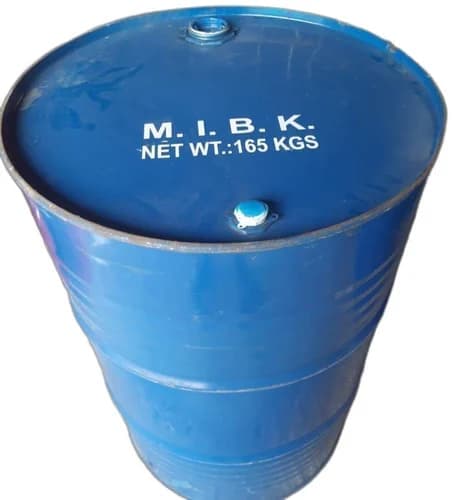
M.I.B.K. (Methyl Isobutyl Ketone)
M.I.B.K., or methyl isobutyl ketone, is a high-purity solvent widely used in paints, coatings, and varnishes for improving flow, leveling, and film f…
- CAS
- 108-10-1
- Formula
- C6H12O
- Assay
- ≥ 99.5%
Solvents & Thinners