
CAS 107-21-1
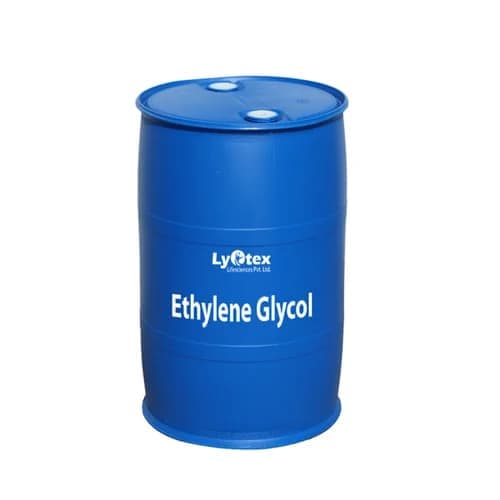
Ethylene Glycol
CAS 107-21-1C2H6O262.07 g/mol
Ethylene Glycol is a vital chemical in industrial applications, particularly for producing polyester and PET resins. Its primary characteristics include being a clear, viscous liquid with various commercial grades such as fibre, industrial, and antifreeze. Its widespread usage spans industries like automotive for antifreeze formulations, polyester production, and cooling systems. The compound, identifiable by CAS number 107-21-1, is essential in Kenya's industrial landscape, primarily imported from countries like China and Kuwait to meet the growing demands in automotive and construction sectors.
Main applicationPolyester fibre production — Acts as a monomer in the synthesis of polyesters
Ethylene Glycol plays a critical role in multiple industrial processes, making it a cornerstone compound in manufacturing globally and within Kenya. Its versatility enables applications from textile production to critical roles in antifreeze formulations. With the ever-increasing demand in sectors like automotive and construction, EG helps drive advancements in these fields, supporting economic growth and technological advancements in East Africa.
Also known as
- 1
- 2-Ethanediol
- Ethane-1
- 2-diol
- MEG
Trade pricing
Quoted per enquiry
Pricing depends on volume, grade and delivery point. Our desk responds within two working hours.
Available packaging
- Available in totes
- drums
- or bulk.
Documentation
Batch-specific COA issued with every consignment.
Technical specifications
- CAS number
- 107-21-1
- Chemical formula
- C2H6O2
- Molecular weight
- 62.07 g/mol
- Grade
- Technical grade
- Appearance
- Clear viscous liquid
- Concentration
- Varies by grade
- Moisture Content
- ≤ 0.1%
Ethylene Glycol (EG) is commercially available in several grades, including fibre, industrial, and antifreeze, each tailored for specific applications. Its chemical formula is C2H6O2 with a molecular weight of 62.07 g/mol, and it appears as a clear, viscous liquid. The compound's ability to lower the freezing point of water makes it ideal for antifreeze formulations and heat transfer applications. When purchasing EG, buyers should consider the purity and specific grade required for their process. Specifications often include maximum allowable impurities, such as moisture and trace metals, which are critical for performance consistency in sensitive applications such as in engine coolants and PET production. A crucial specification to confirm is the water content, which for reagent-grade is typically ≤ 0.1%.
Types of Ethylene Glycol
- Fibre grade
- Industrial grade
- Antifreeze grade
Delivery
Ethylene Glycol is dispatched from our Nairobi warehouse across Kenya, and export delivery is arranged to the wider East African market. Lead time depends on quantity and grade and is confirmed with your quotation — see delivery and collection for the towns we reach and how dispatch works.
Applications & uses
- Polyester fibre production — Acts as a monomer in the synthesis of polyesters
- PET resin production — Used to produce plastic bottles and packaging
- Automotive antifreeze — Provides freeze-resistance in engine coolants
- Aviation de-icing — Forms base for aircraft de-icers
- Industrial cooling systems — Used in HVAC and refrigeration systems
- Natural gas dehydration — Inhibits hydrate formation in pipelines
- Solvent in paints and inks — Improves flow and drying properties
- Adhesive formulations — Serves as a humectant to maintain moisture
Industries we supply this to
Why buy this from Sparks
- Versatile applicability in diverse industries, enhancing process efficiency
- Effective antifreeze properties, crucial for automotive and industrial cooling
- High purity ensures compatibility with stringent industrial standards
- Useful in producing PET for packaging, vital for the consumer goods sector
- Provides excellent heat transfer capabilities, critical for HVAC applications
- Dehydration capability supports natural gas processing and transport
Quality assurance
- Batches are checked against the specification values listed above before dispatch.
State what your process, auditor or customs clearance requires when you request a quotation, and it is confirmed with the quote.
Safety, handling & storage
Always consult the full Safety Data Sheet before handling. Personnel must use appropriate PPE and follow local regulations for storage, transport and disposal.
Frequently asked questions
What is the CAS number of Ethylene Glycol?
The CAS registry number for Ethylene Glycol is 107-21-1. Its chemical formula is C2H6O2, with a molecular weight of 62.07 g/mol. Quote this number when requesting a quotation or checking documentation, as it identifies the substance unambiguously regardless of the trade name used.
What are the other names for Ethylene Glycol?
Ethylene Glycol is also referred to as 1, 2-Ethanediol, Ethane-1, 2-diol and MEG. These names describe the same substance, so a specification or enquiry written against any of them can be matched to this product.
What grade of Ethylene Glycol is supplied?
Ethylene Glycol is supplied as Technical grade. State the grade your process requires when requesting a quotation — where an alternative grade can be sourced, it is confirmed at quotation stage rather than assumed.
What types of Ethylene Glycol are available?
Ethylene Glycol is supplied as Fibre grade, Industrial grade and Antifreeze grade. State which type your process requires when requesting a quotation, or ask us to confirm which is the right fit.
What concentration is Ethylene Glycol supplied at?
Ethylene Glycol is supplied at a concentration of Varies by grade. Concentration and assay are separate figures: the concentration describes the strength of the material as supplied, and the certificate of analysis issued for your consignment carries the measured values for that batch.
What does Ethylene Glycol look like?
Ethylene Glycol is described as clear viscous liquid. Appearance is a useful first check on receipt of goods, though it does not replace the certificate of analysis for confirming that the material meets specification.
What is Ethylene Glycol used for?
Common applications include polyester fibre production — Acts as a monomer in the synthesis of polyesters, PET resin production — Used to produce plastic bottles and packaging, automotive antifreeze — Provides freeze-resistance in engine coolants, aviation de-icing — Forms base for aircraft de-icers, industrial cooling systems — Used in HVAC and refrigeration systems and natural gas dehydration — Inhibits hydrate formation in pipelines. The suitability of the product for a particular process depends on the grade and specification required, which is worth confirming against your own process conditions.
Which industries use Ethylene Glycol?
Ethylene Glycol is supplied to the Pharmaceuticals & Healthcare, Paints, Coatings & Inks, Textile & Leather Tanning and Oil, Gas & Energy sectors. These are the industries this product is listed against in our catalogue; if your application falls outside them, we can advise on suitability before you order.
What packaging is Ethylene Glycol available in?
Available in totes, drums, or bulk. Where a different pack size or bulk delivery is required, it is confirmed at quotation stage against availability rather than listed here as standard.
What is the HS code for Ethylene Glycol?
Ethylene Glycol is recorded against the EC number 203-473-3 and the HS customs code 29053100. Quote this on customs and export paperwork; it is confirmed again on the commercial invoice for your specific consignment.
References
Technical information on this page was compiled from the following published sources. Safety and handling data always comes from the supplier’s own safety data sheet.
- 1.Technical Data Sheetshop.egtchemie.ch
- 2.Ethylene Glycol Methodology – March 2013 | Compliance and Methodologyicis.com
- 3.Ethylene Glycol - Chemical Safety Factschemicalsafetyfacts.org
- 4.Ethylene Glycol Market Size, Share | Industry Statistics, 2035businessresearchinsights.com
- 5.PRODUCTION, IMPORT/EXPORT, USE, AND DISPOSAL - Toxicological Profile for Ethylene Glycol - NCBI Bookshelfncbi.nlm.nih.gov
- 6.Ethylene glycolen.wikipedia.org
- 7.Let's talk about MEG and PETreddit.com
- 8.Use of Glycol in Chiller Systemreddit.com
- 9.Hello guys one small question . what is a better coolant than water used in a heat exchanger ?reddit.com
- 10.Monoethylene Glycol Market Report 2020 | Global Industry Size, Trends, Growth, Analysis, Demand, 2026 Forecastreddit.com
- 11.Ethylene Glycol (MEG) for Sale in Totes, Drums, or Bulk - Available from The Chemical Supply in Houston, Texasreddit.com
- 12.Kenya Ethylene glycol (ethanediol) imports by country | 2023 | Datawits.worldbank.org
- 13.Kenya Ethylene Glycol Market (2022-2031) | Size & Outlook Growth6wresearch.com
- 14.Kenya's Ethylene Glycol Market Report 2026 - Prices, Size, Forecast, and Companiesindexbox.io
Related chemicals
Frequently bought together with Ethylene Glycol, or used as alternatives in the same processes.
Mono Ethylene Glycol in Kenya
Mono Ethylene Glycol (MEG) is a versatile chemical primarily used as an antifreeze in cooling systems. It serves as a key component in various indust…
Coolants & Thermoregulation
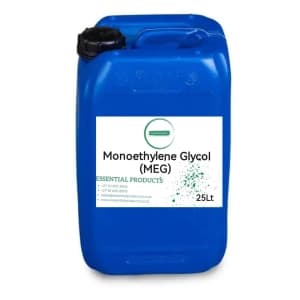
Monoethylene Glycol (MEG) in Kenya
Monoethylene Glycol (MEG) is a versatile liquid compound primarily used as an antifreeze and coolant in various applications, including automotive an…
Coolants & Thermoregulation
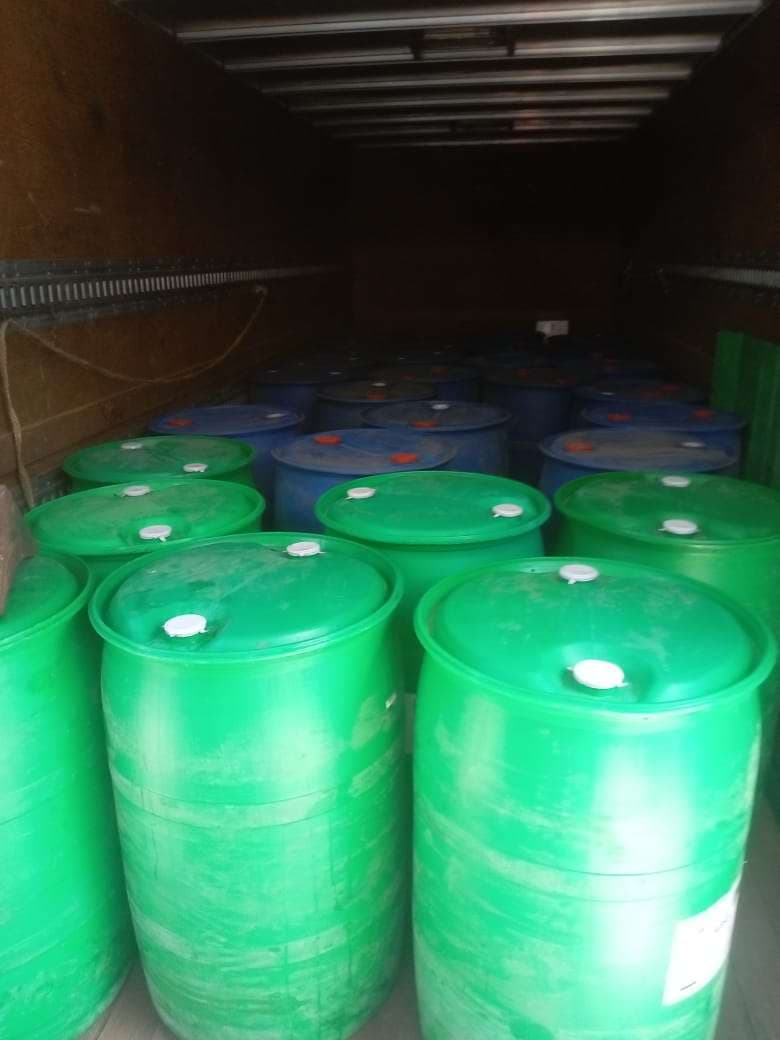
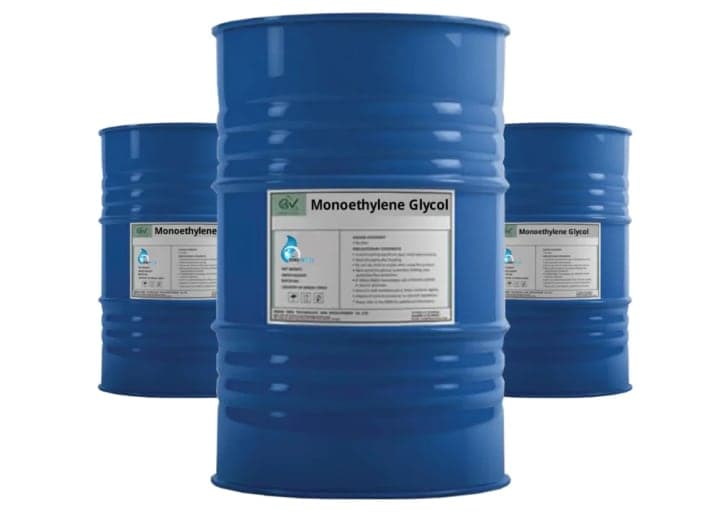
Monoethylene Glycol
Monoethylene Glycol (MEG) is a clear, colorless, odorless liquid used primarily as a chemical intermediate in the production of polyester resins and…
- CAS
- 107-21-1
- Formula
- C2H6O2
- Assay
- 99.8-99.9%
Coolants & Thermoregulation