
CAS 56-81-5
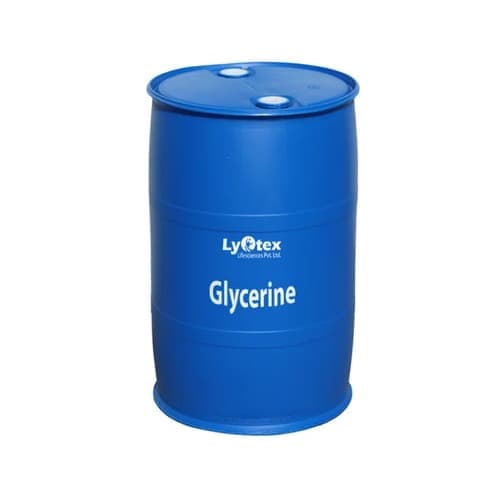
Glycerine
CAS 56-81-5C3H8O392.09 g/mol
Glycerine, also known as glycerol or propane-1,2,3-triol, is a versatile liquid widely used in the food, pharmaceutical, and cosmetics industries. It serves as a humectant, solvent, and sweetener, contributing to product functionality and stability. Glycerine is characterized by its high viscosity and hygroscopic nature, making it an ideal ingredient in various formulations including personal care products, pharmaceuticals, and food. Its ability to blend with many substances enhances its applicability across multiple sectors.
Main applicationPharmaceuticals & Healthcare — used as a solvent and preventative for moisture loss in formulations.
Glycerine is significant for its multifunctionality across industries, providing essential moisture retention and sweetening properties. It helps enhance the stability and longevity of products, making it a staple ingredient in formulations ranging from food to pharmaceuticals. Its non-toxic nature ensures safety for end consumers, contributing to its broad appeal.
Also known as
- glycerol
- glycerin
- Glycerine
- 1
- 2
- 3-Propanetriol
- Glycyl alcohol
- Trihydroxypropane
- Glyceritol
- Osmoglyn
Trade pricing
Quoted per enquiry
Pricing depends on volume, grade and delivery point. Our desk responds within two working hours.
Available packaging
- Available in various pack sizes based on customer requirements.
Documentation
Batch-specific COA issued with every consignment.
Technical specifications
- CAS number
- 56-81-5
- Chemical formula
- C3H8O3
- Molecular weight
- 92.09 g/mol
- Grade
- Technical grade
- Appearance
- Colorless, viscous liquid
- Density
- 1.261 g/cm³
- Density
- 1.261 g/cm³
- Melting Point
- 18.1 °C
- Boiling Point
- 290 °C
- Solubility
- Miscible with ethanol
- pH
- Neutral
Glycerine (CAS 56-81-5) is a trihydroxy compound with the molecular formula C3H8O3, exhibiting a molecular weight of 92.09 g/mol. As a colorless, odorless liquid, it is less dense than water yet soluble in many organic solvents including ethanol. Glycerine demonstrates neutral pH, making it chemically stable for various applications. When selecting glycerine, buyers should consider concentration and purity, ensuring compatibility with their specific use cases, especially in food and pharmaceutical formulations.
Delivery
Glycerine is dispatched from our Nairobi warehouse across Kenya, and export delivery is arranged to the wider East African market. Lead time depends on quantity and grade and is confirmed with your quotation — see delivery and collection for the towns we reach and how dispatch works.
Applications & uses
- Pharmaceuticals & Healthcare — used as a solvent and preventative for moisture loss in formulations.
- Cosmetics & Personal Care — as a humectant, it retains moisture in skin and hair products.
- Food Processing & Beverage — serves as a sweetener and stabilizing agent in food products.
- Cleaning & Detergents — utilized as a surfactant improving cleaning efficiency.
- Preservation Chemicals — functions as a preservative extending shelf life of products.
Industries we supply this to
Why buy this from Sparks
- High solubility enhances formulation flexibility across industries.
- Natural humectant properties retain moisture, improving product quality.
- Acts as a preservative, prolonging shelf life of products.
- Stable chemical structure ensures reliability in formulations.
- Safe for food and pharmaceutical applications, aligning with regulatory standards.
Quality assurance
- Batches are checked against the specification values listed above before dispatch.
State what your process, auditor or customs clearance requires when you request a quotation, and it is confirmed with the quote.
Safety, handling & storage
Always consult the full Safety Data Sheet before handling. Personnel must use appropriate PPE and follow local regulations for storage, transport and disposal.
Frequently asked questions
What is the CAS number of Glycerine?
The CAS registry number for Glycerine is 56-81-5. Its chemical formula is C3H8O3, with a molecular weight of 92.09 g/mol. Quote this number when requesting a quotation or checking documentation, as it identifies the substance unambiguously regardless of the trade name used.
What are the other names for Glycerine?
Glycerine is also referred to as glycerol, glycerin, Glycerine, 1, 2 and 3-Propanetriol. These names describe the same substance, so a specification or enquiry written against any of them can be matched to this product.
What grade of Glycerine is supplied?
Glycerine is supplied as Technical grade. State the grade your process requires when requesting a quotation — where an alternative grade can be sourced, it is confirmed at quotation stage rather than assumed.
What does Glycerine look like?
Glycerine is described as colorless, viscous liquid. Appearance is a useful first check on receipt of goods, though it does not replace the certificate of analysis for confirming that the material meets specification.
What is Glycerine used for?
Common applications include pharmaceuticals & Healthcare — used as a solvent and preventative for moisture loss in formulations., cosmetics & Personal Care — as a humectant, it retains moisture in skin and hair products., food Processing & Beverage — serves as a sweetener and stabilizing agent in food products., cleaning & Detergents — utilized as a surfactant improving cleaning efficiency. and preservation Chemicals — functions as a preservative extending shelf life of products.. The suitability of the product for a particular process depends on the grade and specification required, which is worth confirming against your own process conditions.
Which industries use Glycerine?
Glycerine is supplied to the Food Processing & Beverage, Pharmaceuticals & Healthcare, Cosmetics & Personal Care, Cleaning & Detergents and Laboratories & Research sectors. These are the industries this product is listed against in our catalogue; if your application falls outside them, we can advise on suitability before you order.
What packaging is Glycerine available in?
Available in various pack sizes based on customer requirements. Where a different pack size or bulk delivery is required, it is confirmed at quotation stage against availability rather than listed here as standard.
Related to Glycerine
Where this product sits in the catalogue, and the sectors that use it.
References
Technical information on this page was compiled from the following published sources. Safety and handling data always comes from the supplier’s own safety data sheet.
- 1.PubChem CID 753pubchem.ncbi.nlm.nih.gov
Related chemicals
Frequently bought together with Glycerine, or used as alternatives in the same processes.
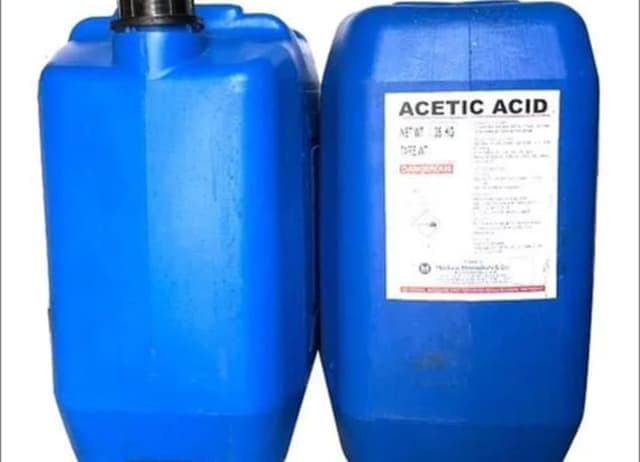
Acetic Acid in Kenya
Acetic Acid, also known as ethanoic acid, is a colorless liquid primarily used in various industrial applications, particularly in the production of…
- CAS
- 64-19-7
- Formula
- C2H4O2
Foods & Beverages
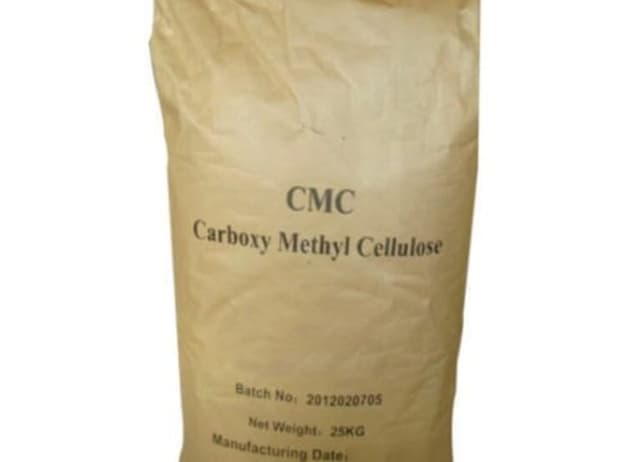
Carboxy Methyl Cellulose in Kenya
Carboxy Methyl Cellulose (CMC) is a versatile cellulose derivative primarily used in the food and beverage industry as a thickening agent and stabili…
Foods & Beverages
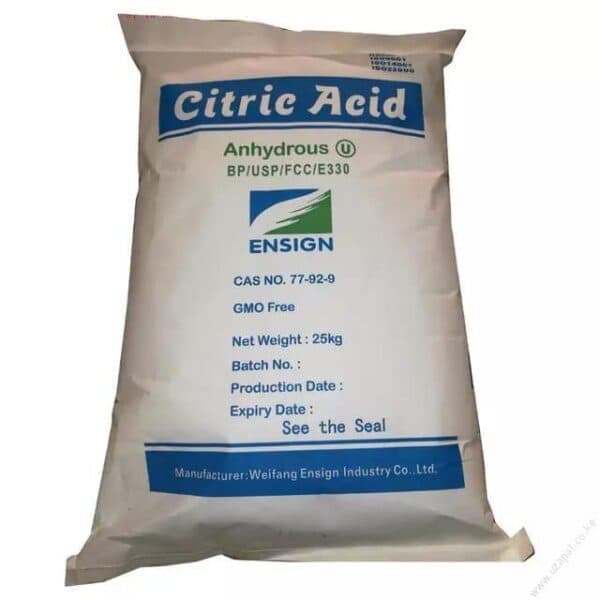
Citric Acid
Citric Acid is a versatile chemical predominantly used as an acidity regulator and preservative in the food and beverage industry. Known for its food…
- CAS
- 77-92-9
- Formula
- C6H8O7
- Assay
- 99.5-100.5
Foods & Beverages
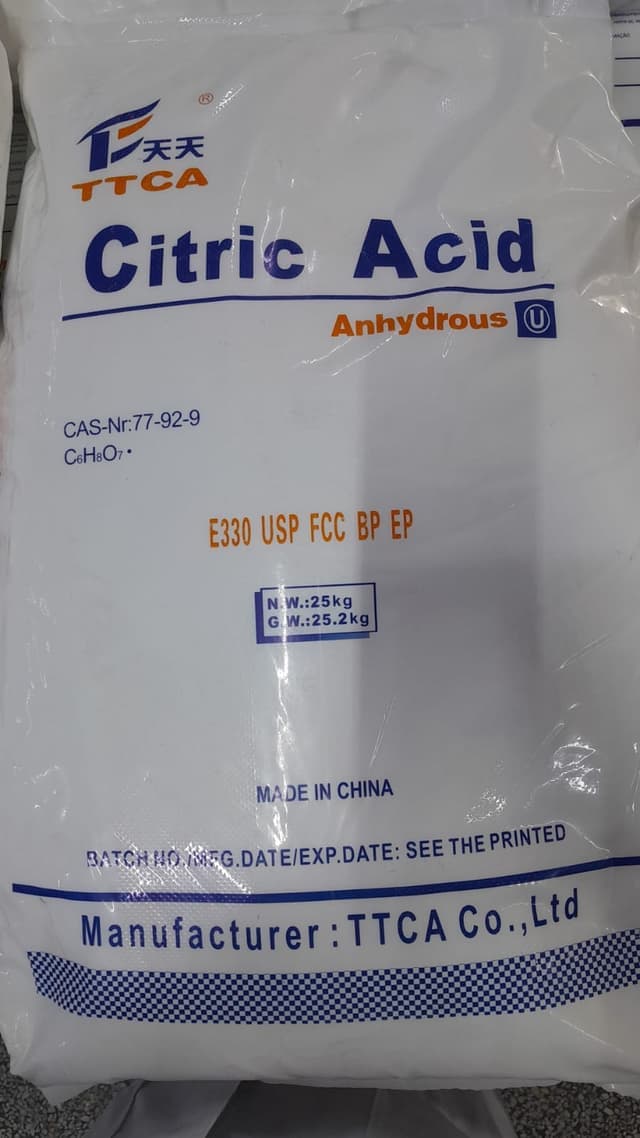
Citric Acid Anhydrous in Kenya
Citric Acid, known as 2-hydroxypropane-1,2,3-tricarboxylic acid (CAS 77-92-9), is a key organic acid primarily used in the food and beverage industry…
- CAS
- 77-92-9
- Formula
- C6H8O7
Foods & Beverages